Welcome to our guide on understanding low full coverage insurance! Whether you’re a first-time car owner or looking to switch your current insurance plan, it’s important to know the ins and outs of what full coverage insurance entails. In this article, we will break down the key points you need to know about low full coverage insurance, including what it covers, how it differs from other types of insurance, and how to find the best plan for your needs.
Understanding Low Full Coverage Insurance
When it comes to purchasing car insurance, understanding the different types of coverage available is crucial. One of the options that drivers often consider is low full coverage insurance. This type of insurance provides a combination of coverages that can protect you in a variety of situations, without the high price tag of traditional full coverage insurance.
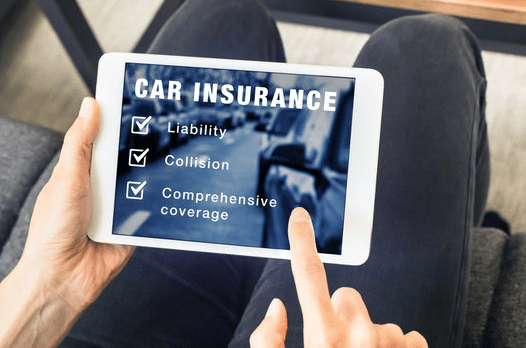
Low full coverage insurance typically includes the following types of coverage: liability, comprehensive, and collision. Liability insurance is required by law in most states and covers the costs of damage or injuries to other people or property in an accident that you are at fault for. Comprehensive coverage helps pay for damage to your car that is not caused by a collision, such as theft, vandalism, or weather-related incidents. Collision coverage, on the other hand, covers the costs of damage to your car in the event of a collision, regardless of who is at fault.
One of the main reasons drivers opt for low full coverage insurance is the cost savings compared to traditional full coverage insurance. While traditional full coverage insurance may include higher coverage limits and additional benefits, low full coverage insurance offers a more affordable option for drivers who want to protect themselves and their vehicles without breaking the bank.
It’s important to note that low full coverage insurance may not provide the same level of protection as traditional full coverage insurance. For example, the coverage limits and deductibles may be lower, which means you may have to pay more out-of-pocket in the event of a claim. Additionally, some optional coverages, such as uninsured motorist coverage or rental car reimbursement, may not be included in a low full coverage policy.
When considering low full coverage insurance, it’s important to weigh the cost savings against the potential risks. If you have an older vehicle that is not worth a significant amount of money, low full coverage insurance may be a suitable option to protect you from major financial losses in the event of an accident. However, if you have a newer or more valuable vehicle, it may be worth investing in a more comprehensive full coverage policy to ensure you are fully protected.
In conclusion, low full coverage insurance can be a cost-effective way to protect yourself and your vehicle without breaking the bank. By understanding the coverage options available and considering your individual needs, you can make an informed decision about the type of insurance that is right for you.
Benefits of Low Full Coverage Insurance
Low full coverage insurance offers a range of benefits that make it an attractive option for many drivers. One of the biggest advantages is the cost savings. With low full coverage insurance, policyholders can enjoy comprehensive coverage at a fraction of the cost of traditional full coverage plans. This means that drivers can protect themselves and their vehicles without breaking the bank.
Another benefit of low full coverage insurance is the flexibility it provides. Policyholders can customize their coverage to meet their individual needs and budget. This means that drivers can choose the level of coverage that works best for them, whether it’s minimum liability coverage or a more comprehensive plan that includes collision and comprehensive coverage.
One of the key benefits of low full coverage insurance is the peace of mind it provides. With comprehensive coverage, policyholders can rest easy knowing that they are financially protected in the event of an accident, theft, or other covered loss. This can help reduce stress and anxiety for drivers, allowing them to focus on enjoying the road ahead.
Low full coverage insurance also offers added protection for drivers who may not be able to afford a traditional full coverage plan. This can be particularly beneficial for young drivers, seniors, and individuals with less-than-perfect driving records. With low full coverage insurance, these drivers can still enjoy the benefits of comprehensive coverage without paying exorbitant premiums.
Additionally, low full coverage insurance can be a smart investment for drivers who own newer or more expensive vehicles. With comprehensive coverage, policyholders can protect their investment and ensure that they are not left with hefty repair bills in the event of an accident or other covered loss. This can provide added financial security and peace of mind for drivers who rely on their vehicles for everyday transportation.
In conclusion, low full coverage insurance offers a range of benefits for drivers looking to protect themselves and their vehicles without breaking the bank. From cost savings and flexibility to peace of mind and added protection, there are many reasons to consider low full coverage insurance for your auto insurance needs.
Factors to Consider When Choosing Low Full Coverage Insurance
When selecting low full coverage insurance, there are various factors that you should take into consideration to ensure that you are getting the best coverage for your needs at an affordable price. Below are some key factors to keep in mind:
1. Coverage Limits: One of the most important factors to consider when choosing low full coverage insurance is the coverage limits. It is crucial to understand what is included in the policy and what the maximum amount is that the insurance company will pay out for different types of claims. You want to make sure that the coverage limits are adequate to protect you in the event of an accident or other covered incident.
2. Deductibles: Another important factor to consider is the deductibles associated with the insurance policy. The deductible is the amount of money that you will have to pay out of pocket before the insurance company will start to cover the costs of a claim. A higher deductible typically means lower monthly premiums, but it also means that you will need to pay more in the event of a claim. It is essential to choose a deductible that you can afford to pay in case of an accident.
3. Add-On Coverage Options: In addition to the standard coverage included in a full coverage insurance policy, there may be additional add-on coverage options available that can provide extra protection for specific risks. Some common add-ons include roadside assistance, rental car coverage, and gap insurance. Before deciding on a low full coverage insurance policy, you should carefully consider whether any add-on coverage options are necessary for your personal situation.
For example, if you frequently drive long distances or travel in remote areas, roadside assistance could be a valuable add-on to have. Similarly, if you rely on your car for daily transportation and cannot afford to be without a vehicle in the event of an accident, rental car coverage may be worth considering. Gap insurance is also important if you have a car loan or lease, as it can help cover the difference between what you owe on the vehicle and its actual cash value in case of a total loss.
Ultimately, the decision to add on extra coverage options will depend on your individual needs and budget. It is essential to carefully weigh the costs and benefits of each add-on to ensure that you are getting the best value for your money.
In conclusion, when choosing low full coverage insurance, it is important to consider factors such as coverage limits, deductibles, and add-on coverage options to ensure that you are adequately protected in the event of an accident or other covered incident. By carefully evaluating these factors and comparing quotes from multiple insurance companies, you can find a policy that meets your needs and fits your budget.
Cost Savings with Low Full Coverage Insurance
When it comes to saving money on your car insurance, opting for low full coverage insurance can be a great option. This type of insurance provides a balance between liability coverage and comprehensive/collision coverage at a more affordable rate. Here are some ways you can save money with low full coverage insurance:
1. Lower Premiums: One of the main ways you can save money with low full coverage insurance is through lower premiums. By opting for a policy that offers less coverage than traditional full coverage insurance, you can enjoy lower monthly premiums. This can be especially beneficial for drivers who have a clean driving record and are considered low-risk by insurance companies.
2. Customizable Coverage: With low full coverage insurance, you have the flexibility to customize your coverage based on your individual needs. This means you can choose the level of coverage that fits your budget and driving habits. For example, if you have an older car that may not require comprehensive coverage, you can opt for liability and collision coverage only, saving you money on premiums.
3. Higher Deductibles: Another way to save money with low full coverage insurance is by choosing a higher deductible. A deductible is the amount you pay out of pocket before your insurance coverage kicks in. By choosing a higher deductible, you can lower your monthly premiums. Just make sure you have enough savings set aside to cover the deductible in case of an accident.
4. Discounts and Bundling Options: Many insurance companies offer discounts for policyholders who have multiple policies with them, such as auto and home insurance. By bundling your policies together, you can enjoy additional savings on your insurance premiums. Additionally, some insurers offer discounts for things like safe driving habits, anti-theft devices, and good student discounts. Be sure to ask your insurance provider about any potential discounts that may apply to you.
Overall, opting for low full coverage insurance can help you save money on your car insurance premiums while still providing you with the coverage you need. By exploring your options and customizing your coverage to fit your needs, you can enjoy peace of mind on the road without breaking the bank.
Common Misconceptions About Low Full Coverage Insurance
There are several common misconceptions about low full coverage insurance that can lead people to overlook this option when shopping for car insurance. One misconception is that low full coverage insurance is not as reliable or comprehensive as traditional full coverage insurance. This is not true – low full coverage insurance still provides the same basic coverage as traditional full coverage insurance, including liability, collision, and comprehensive coverage.
Another misconception is that low full coverage insurance is not affordable. While it is true that traditional full coverage insurance can be more expensive, low full coverage insurance is designed to provide the same level of coverage at a lower cost. Many insurance companies offer low full coverage insurance options that are tailored to fit a variety of budgets, making it a great option for those looking to save money on their car insurance.
Some people also mistakenly believe that low full coverage insurance does not offer the same level of protection as traditional full coverage insurance. This is not the case – low full coverage insurance provides the same level of protection for your vehicle in the event of an accident, theft, or other covered event. The only difference is that the premiums for low full coverage insurance may be lower than those for traditional full coverage insurance.
One common misconception about low full coverage insurance is that it does not cover as many types of incidents as traditional full coverage insurance. In reality, low full coverage insurance typically provides coverage for the same types of incidents as traditional full coverage insurance, including accidents, theft, vandalism, and natural disasters. The main difference between the two types of coverage is the cost – low full coverage insurance is designed to be more affordable while still providing adequate protection for your vehicle.
Finally, some people mistakenly believe that low full coverage insurance is only available to certain types of drivers, such as those with a perfect driving record or a certain type of vehicle. In reality, low full coverage insurance is available to a wide range of drivers, including those with less-than-perfect driving records or older vehicles. Insurance companies offer low full coverage insurance options to accommodate a variety of different driver profiles, making it a flexible and accessible option for many drivers.
Originally posted 2024-11-03 11:27:11.